
Slow Looking: The Art of Observation in a Doom Scrolling World
How to stop rushing through life and become a good observer.
You probably haven’t realized it yet… but over the years you’ve increased the pace of which you look at something and take it in.
To the point that you’re missing… A LOT.
Like many people, I both love and hate social media. It’s an easy way to share the things we love and create, to connect with others, and be inspired by what others are doing. However, some of the negative impacts have been a more limited attention span and difficulty focusing.
Recently I found myself looking at some cool photos on Instagram, and after a few seconds I quickly scrolled to the next thing.
But then I felt an inner sense prompting me to go back to what I had just looked at…
And when I did, I found myself analyzing the photo in more depth. I started to see details I had completely missed the first time, and I even started to have some emotions rise within me as I took it in. The photo wasn’t necessarily profound or worthy of a museum, but there was a connection and enjoyment that was able to be had, and it far exceeded the dopamine hit we humans get from scrolling.

Observing ocean waves during sunrise in 30A.
The negative impacts of social media and quick consumption:
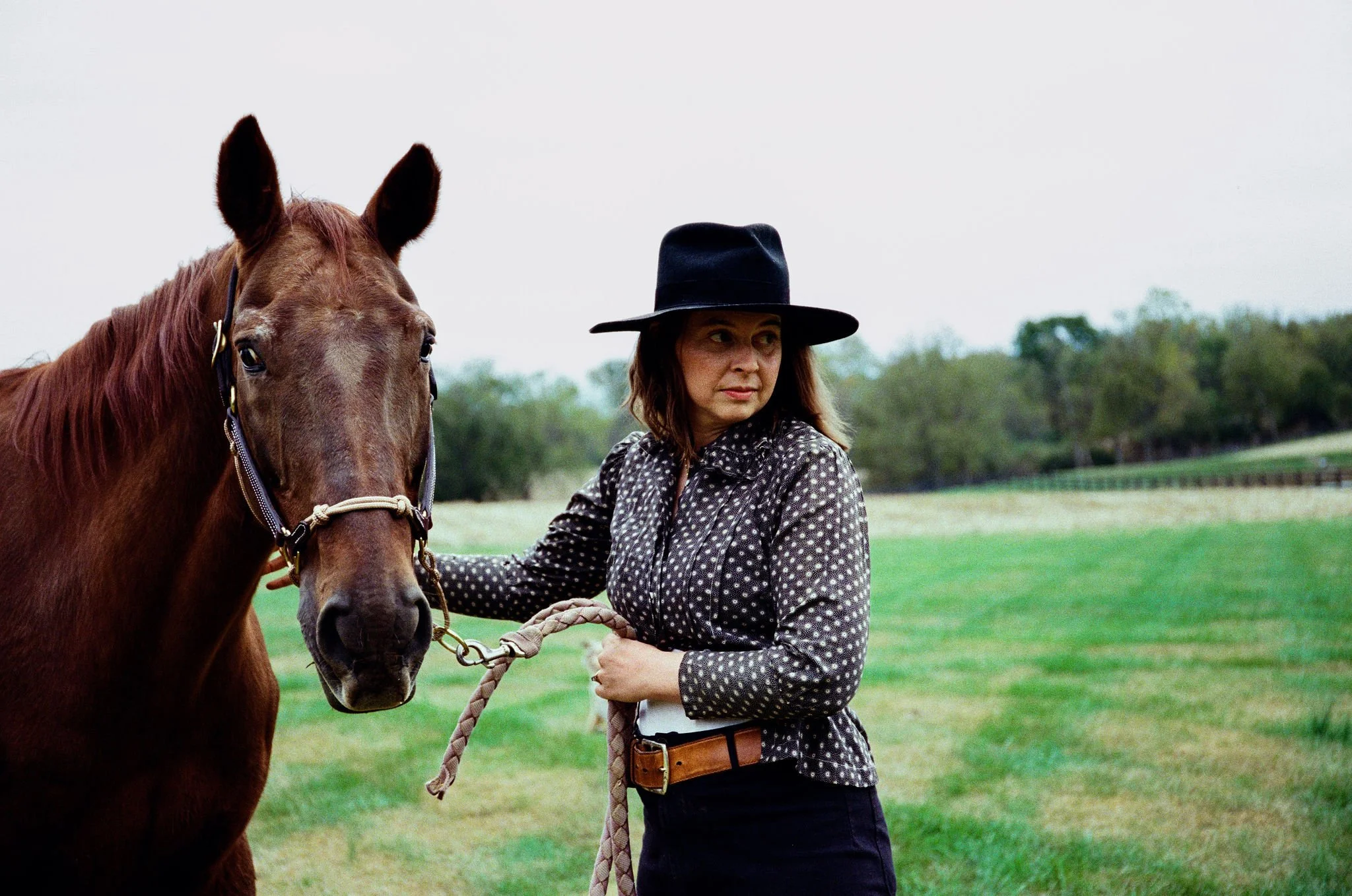
A portrait of a woman and her horse in Lexington Kentucky.
What is slow looking?
“Slow looking” is a practice that is often used by museum visitors. It’s the act of taking at least 3 minutes to look at a piece of art. It’s not so much about the exact amount of time you spend looking that makes you a good observer. It’s about what happens in your brain when you slow down, notice details, and pay attention to your inner experience as you’re observing.
The positive affects of slow looking:
“…slow-looking with the artwork increased the perceived beauty of the museum objects…”
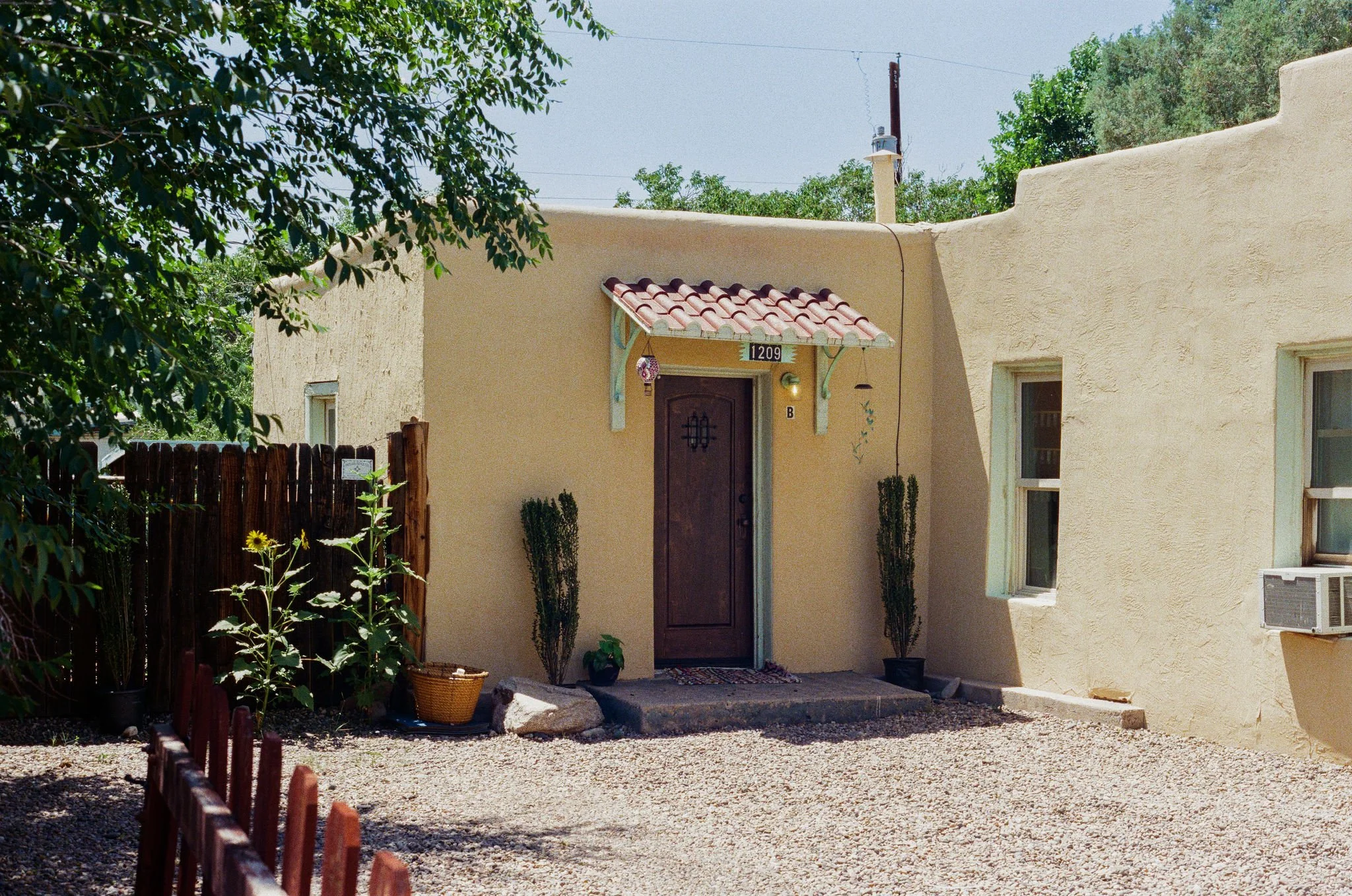
A 35mm film photo of an adobe home in Albuquerque New Mexico.
How to practice the art of observation and slow down in your daily life:
Set down your phone and pick up a book of photographs! It could be a book about a place, artist or art form. Slowly peruse each page.
Visit more museums and art galleries! See if your area has an art crawl or visiting exhibitions.
Fill the walls and shelves of your home with art and photographs. This will give you an opportunity to slow down and observe in your everyday life.
Participate in the creation of art. It doesn’t have to be good, and you don’t have to show it to anyone! Studies have been done on how beneficial creating art is for our brains, as it slows us down and helps us be more present and focused.
Go to a nice restaurant, or cook yourself a fancy meal. Have a notebook on hand, and when you go to eat, take time to notice the smells, textures and tastes. Write it down! It may feel a little silly, but it’s a simple way to really sink into the experience of what you’re eating!
Some prompts you can try while observing:
What do you notice about the colors?
What’s the smallest detail you can find?
What is the texture like?
How is the light hitting it?
Are there shadows?
What is the potential story being told?
If I were to ascribe an emotion to it, what would it be?
The older I get, the longer I’ve played the social media game, and the constant bombardment of hustle culture, I’m recognizing how much more I crave and want to build a life that is present and deeply connected to God, myself and others. If that’s you too, I hope that this simple practice of “slow looking” helps you lean into a slower and more observational life! I think we’d all find a lot more satisfaction and joy in life if we learned to be better observers.
For more on living an inspired life, click here!